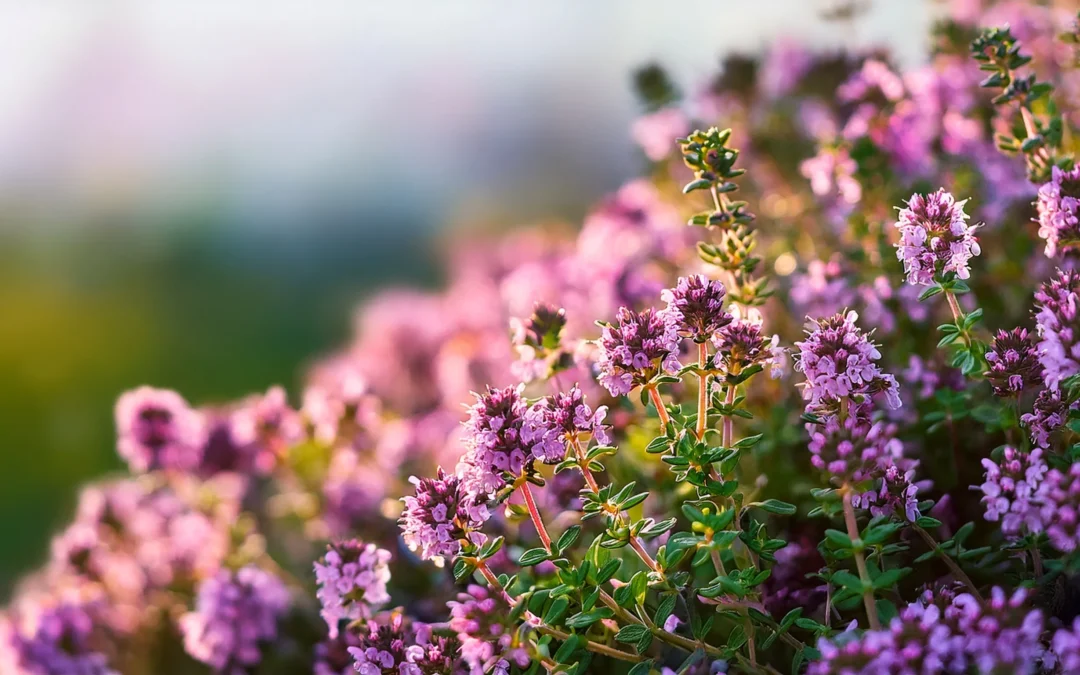
Happy plants and trees grow from healthy soil, and even the smallest of changes in soil composition can impact plant growth. Both organic and non-organic soils have benefits that make each suitable for a variety of environments. Even still, many soils require further soil amendments such as mulch, compost, and manure to develop a rich environment in which vegetation can thrive. In Colorado, common mulch materials include wood chips, pine needles, straw, lawn clippings, and more.
Organic Soil
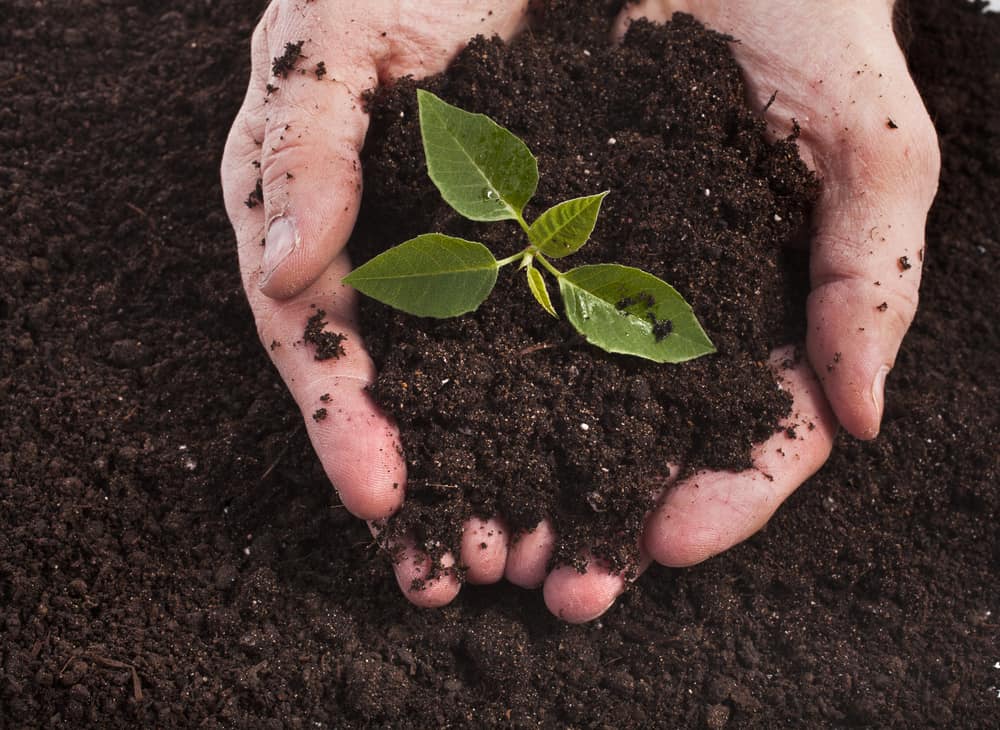
The scientific definition of organic soil is “of, related to, or derived from living matter.” Typically, it consists of worms, microorganisms, decaying plant material, and many other things. Soil is comprised of three main particles — clay, silt, and sand. Loam is the ideal soil, containing equal parts of all three particles. Loamy soil is beloved by gardeners for its ability to retain moisture and promote adequate drainage.
Non-Organic Soil
Non-organic soils don’t contain any nutrients or organic matter, which allows them to retain a neutral pH and remain free from contaminants. In many fields of horticulture, a sterile soil is key and can be achieved by using non-organic soil and soil amendments. Another benefit of non-organic soils is that they can be controlled much better than organic soils, which makes them popular for use in hydroponics as well as in moisture retention.
Source: Shutterstock
Soil Amendments
In Colorado’s semi-arid climate, materials called soil amendments can be added to the soil to better its quality. Especially with sandy soils, soil amendments help increase water and nutrient holding capacity. When you really want to find a solution, you have to dig a little deeper. Soil amendments work best when they are thoroughly mixed in with the surrounding soil. Keep in mind that soil amendments and mulches are not the same thing — mulches are placed on the soil’s surface to inhibit weed growth and moderate soil temperature. Over time, organic mulches will decompose and be incorporated into the soil. The end goal of both mulches and soil amendments is to improve the soil.
For help bringing your soil, plants, and trees to optimal health, contact Lifescape today.