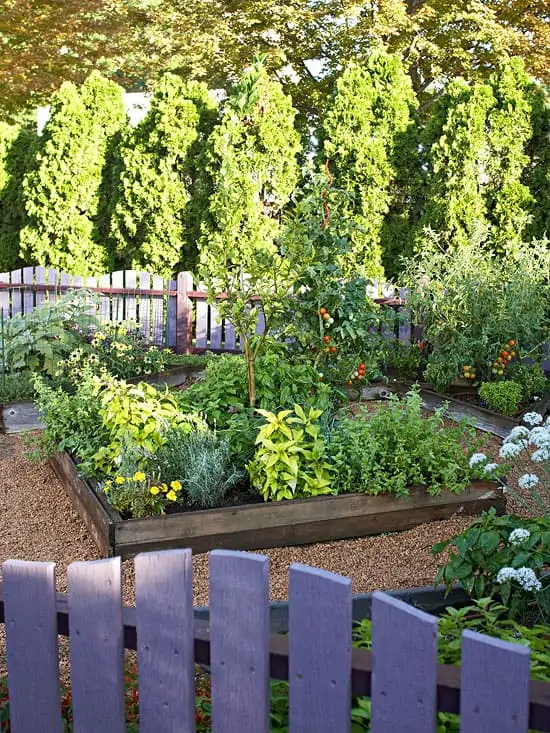
Landscaping with sustainable practices in mind can help eliminate toxic pesticides that are harmful to the environment. There’s a learning curve involved, but the benefits far outweigh any inconveniences. In addition to polluting the air, soil, and water, pesticides also wipe out huge populations of beneficial insects that help eliminate harmful garden pests that can damage your plants.
One of the most concerning landscape pests in Colorado today is the Japanese beetle. These invasive insects feed on more than 300 types of plants, including roses, linden trees, grapes, and crabapples. Adult beetles skeletonize leaves and damage flowers, while their larvae, known as white grubs, feed on turfgrass roots, causing brown patches in lawns. Because Japanese beetles attract others once they begin feeding, infestations can spread quickly. Early intervention is essential. Regular monitoring, prompt removal of adult beetles, targeted treatments for valuable plants, and preventive grub control can help protect your landscape before damage becomes widespread.
Take a moment to learn about some of the natural pest control solutions you can use to eradicate the pests you don’t want, while keeping beneficial insects and critters alive and active.
Japanese Beetles: A Growing Threat in Colorado
Japanese beetles have become one of the most destructive landscape pests in Colorado, feeding on more than 300 types of plants, including roses, linden trees, grapes, and crabapples. Adult beetles skeletonize leaves and damage flowers, while their larvae, known as white grubs, feed on turfgrass roots, creating brown patches in lawns. Because these beetles attract others once they begin feeding, infestations can spread quickly. Early intervention is key. Regular monitoring, hand removal of adult beetles, targeted treatments for high-value plants, and preventive grub control can help protect your landscape before damage becomes widespread.

Source: Brunelleschi Construction via Houzz
Use birdhouses and bird baths. Talk about a two-fer; birds who prey on garden pests want nothing to do with your fruits and veggies. We’re fortunate to have a whole host of insect-loving birds here in Colorado, such as bluebirds, nuthatches, grosbeaks, chickadees, swallows, and more. Providing a habitat for them near your garden gives them ample access to the creepy crawly things they love to feed their hatchlings. Plus, you get to watch the interesting and playful behaviors displayed by these intriguing members of the animal kingdom.
Source: Janiczek Homes via Houzz
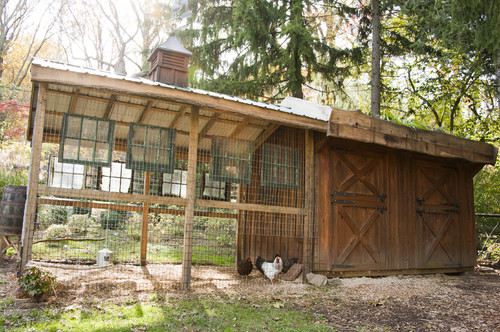
Raise chickens. Even a hen or two will do their part in eating predatory garden insects. They also like greens and veggies, so it’s usually best to feed chickens hand-picked garden pests, and then let them have free rein of the beds between crops to eliminate pests and fertilize the soil.
Source: FreeDigitalPhotos.net
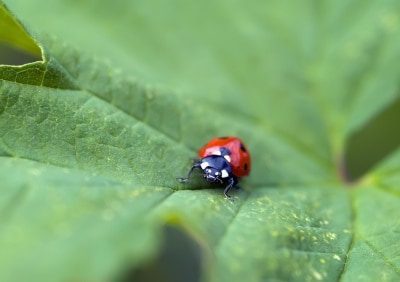
Identify good guys. It’s worth your while to identify beneficial insects so you know who to keep and who to pick off. Some of Colorado’s native insects are your best ally in eliminating harmful pests. Examples include:
- Spiders
- Assassin Bugs
- Lady Bugs
- Green Lacewings
- Syrphid Flies
- Ground Beetles
- Preying Mantids
- And so many more!
You can consult this fantastic guide from CSU to learn more.

Source: Better Homes and Gardens
Organic insecticides. There are plenty of organic pest management options available, including diatomaceous earth (DE), horticultural oils, and Bt (Bacillus thuringiensis). For pests like Japanese beetles, timing and treatment methods are especially important. Be sure to discuss the best approach with your landscape professional to determine the safest and most effective solution for your landscape.
Lifescape Colorado is committed to helping you design and maintain the most sustainable landscape possible. Whether you’re dealing with Japanese beetles, other garden pests, or simply want a healthier, more resilient landscape, our team is here to help. Contact us today to learn more about our landscape design and property care services.