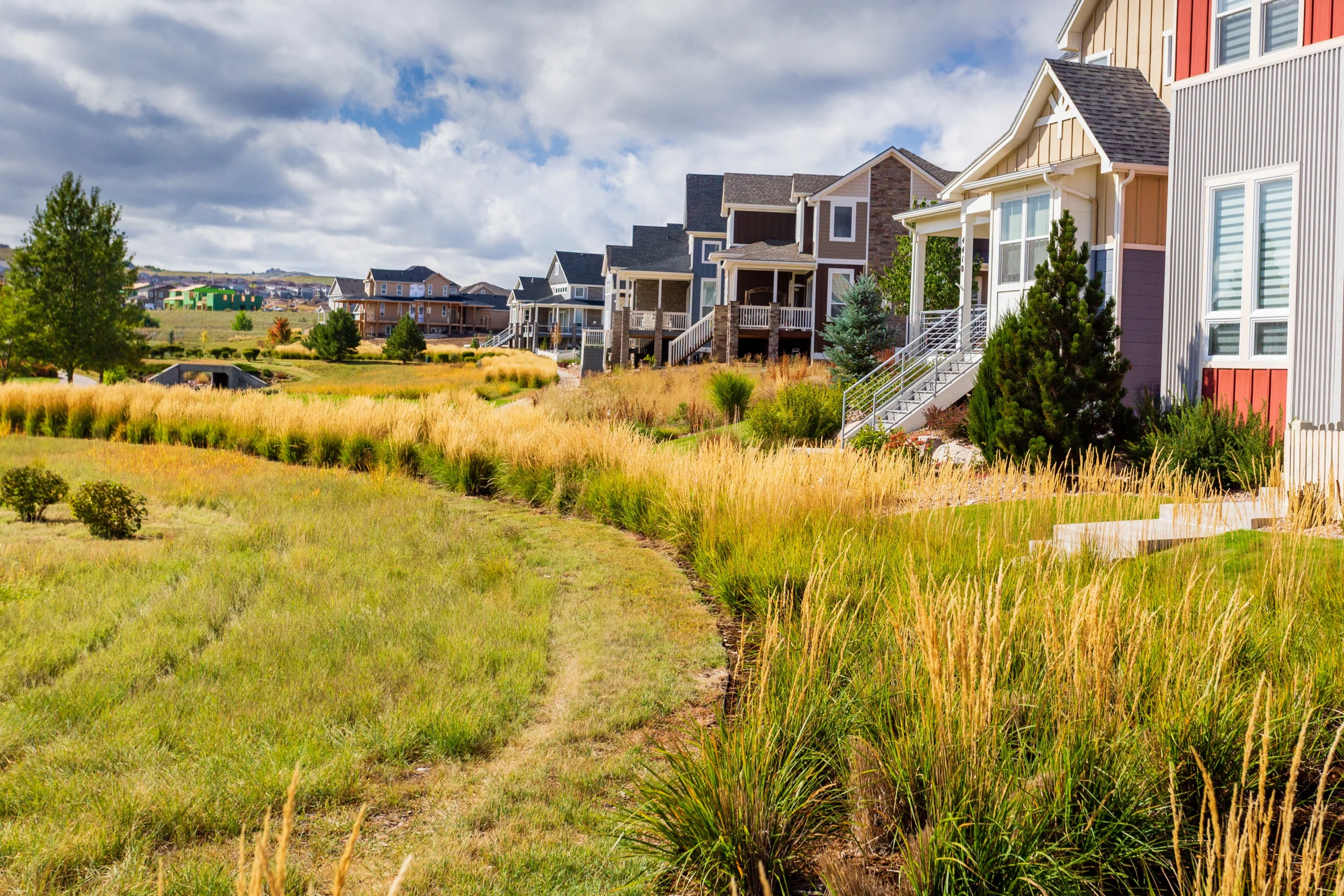
Water is one of Colorado’s most valuable natural resources, and during periods of drought or increased demand, watering restrictions can become a reality for homeowners across Denver and the Front Range. While these restrictions help protect local water supplies, they often leave homeowners wondering how to keep their landscapes healthy without overwatering.
The good news is that a thriving landscape doesn’t necessarily require excessive irrigation. With thoughtful planning, efficient watering practices, and the right plant selection, you can maintain a beautiful yard while using water responsibly.
Here’s how to keep your yard healthy during Denver water restrictions and set your landscape up for long-term success.
Why Water Restrictions Matter in Colorado
Colorado’s semi-arid climate naturally receives less precipitation than many other parts of the country. Combined with hot summer temperatures, low humidity, and increasing population growth, water conservation plays an important role in protecting the state’s long-term water resources.
Municipal water providers, including Denver Water and other Front Range utilities, may implement watering schedules or restrictions during dry periods to reduce demand. These guidelines are designed to encourage efficient irrigation, not to prevent homeowners from maintaining healthy landscapes.
Understanding how to water wisely can make a significant difference in how your yard performs during these periods.
Water Deeply Instead of Frequently
One of the biggest mistakes homeowners make is watering lightly every day. Frequent, shallow watering encourages grass and plants to develop shallow root systems that dry out quickly.
Instead, focus on deep, infrequent watering.
Applying water slowly allows moisture to penetrate deeper into the soil, encouraging roots to grow downward where moisture remains available longer. Deep-rooted plants are more resilient during periods of drought and heat.
If restrictions limit the number of watering days each week, maximizing each watering session becomes even more important.
Water at the Right Time of Day
Timing is just as important as the amount of water you apply.
The best time to irrigate your landscape is early in the morning, typically before 10 a.m. Cooler temperatures and calmer winds reduce evaporation, allowing more water to reach plant roots.
Avoid watering during the hottest part of the day, when much of the moisture evaporates before it can soak into the soil. Evening watering can also leave foliage damp overnight, increasing the potential for certain plant diseases.
Prioritize Trees and Shrubs
During water restrictions, not every part of your landscape has the same needs.
Established trees and shrubs represent a significant investment and often take years to mature. While lawns may recover from temporary drought stress, mature woody plants can suffer lasting damage if deprived of water for extended periods.
Focus available irrigation on:
- Mature shade trees
- Evergreen trees and shrubs
- Newly planted trees
- Foundation plantings
- Valuable ornamental shrubs
These plants provide structure, shade, and long-term value to your landscape.
Don’t Forget Newly Planted Landscapes
Young trees, shrubs, and perennials have not yet developed extensive root systems. During their first growing season and often into the second, they require more consistent moisture than established plants.
If you’ve recently completed a landscape project, monitor soil moisture carefully and prioritize watering these new plantings whenever watering is available.
A temporary increase in attention during establishment helps ensure years of healthy growth.
Improve Soil with Organic Matter
Healthy soil acts like a sponge, absorbing and storing moisture for plant roots.
Adding compost and other organic amendments improves:
- Water retention
- Soil structure
- Root development
- Drainage balance
- Nutrient availability
Colorado soils often contain heavy clay or sandy textures, both of which benefit from organic matter. Improving your soil can significantly reduce irrigation needs over time.
Mulch Makes a Big Difference
Mulch is one of the simplest and most effective ways to conserve water.
Applying two to three inches of organic mulch around trees, shrubs, and planting beds helps:
- Reduce evaporation
- Moderate soil temperatures
- Suppress weeds
- Improve soil health as it decomposes
Mulch also gives landscape beds a finished appearance while reducing maintenance throughout the growing season.
Adjust Your Irrigation System
Many irrigation systems continue operating on the same schedule regardless of weather conditions.
A few adjustments can dramatically improve efficiency.
Consider:
- Repairing leaking sprinkler heads
- Adjusting spray patterns to eliminate overspray
- Installing drip irrigation for planting beds
- Using smart irrigation controllers that respond to weather conditions
- Reducing run times during cooler periods
Efficient irrigation delivers water exactly where it’s needed rather than wasting it on sidewalks or driveways.
Choose Drought-Tolerant Plants
One of the best long-term strategies for dealing with water restrictions is selecting plants that naturally require less irrigation.
Colorado-friendly options include:
- Penstemon
- Yarrow
- Prairie coneflower
- Blue grama grass
- Russian sage
- Blanket flower
- Rabbitbrush
- Native ornamental grasses
These plants provide vibrant color, texture, and seasonal interest while thriving with significantly less water than traditional landscapes.
Reduce High-Water Turf Areas
Traditional lawns often consume the largest portion of residential irrigation.
Instead of eliminating grass entirely, consider using it intentionally.
Maintain turf where it’s functional, for recreation or pets, and replace underused areas with:
- Native plant gardens
- Xeriscape planting beds
- Decorative gravel
- Groundcovers
- Outdoor living spaces
This approach reduces water use while increasing visual interest throughout your property.
Watch for Signs of Water Stress
Even drought-tolerant plants benefit from occasional monitoring during hot weather.
Common signs that plants need additional moisture include:
- Wilting leaves during the morning
- Leaf curling
- Brown leaf edges
- Premature leaf drop
- Discolored or thinning turf
Checking soil moisture several inches below the surface is often more reliable than judging by appearance alone.
Plan Ahead with Sustainable Landscape Design
The easiest landscapes to maintain during water restrictions are the ones designed with Colorado’s climate in mind from the beginning.
A sustainable landscape may include:
- Hydrozoning plants with similar water needs
- Native and adaptive plant selections
- Efficient irrigation systems
- Permeable hardscaping
- Proper grading and drainage
- Organic soil improvements
These design principles create landscapes that remain attractive while using water responsibly.
Professional Landscape Care Can Help
Managing irrigation during periods of water restrictions can be challenging, especially on larger or more complex properties.
Professional landscape maintenance helps ensure:
- Irrigation systems operate efficiently
- Plants receive appropriate care
- Water use remains optimized
- Seasonal adjustments are made as conditions change
Routine inspections also allow small issues to be corrected before they become expensive problems.
Build a Landscape That Thrives, Rain or Shine
Water restrictions don’t have to mean sacrificing a healthy, beautiful yard. By watering efficiently, improving soil health, choosing climate-appropriate plants, and investing in sustainable landscape design, you can create an outdoor space that remains resilient even during Colorado’s driest seasons.
At Lifescape Colorado, we specialize in designing, building, and maintaining landscapes that thrive in the Front Range’s unique climate. From water-wise landscape design and xeriscaping to smart irrigation solutions and year-round property care, our team creates outdoor spaces that balance beauty, functionality, and sustainability.
If you’re looking for a landscape that’s prepared for Colorado’s changing climate, contact Lifescape Colorado today. We’ll help you develop a custom plan that conserves water while keeping your outdoor space healthy, vibrant, and beautiful for years to come.