Creating a vibrant, colorful landscape doesn’t have to mean using large amounts of water. In fact, many of the most beautiful plants for Colorado landscapes are naturally adapted to thrive in our semi-arid climate. By choosing the right mix of low-water plants, you can enjoy blooms from spring through fall while reducing irrigation needs and creating a more sustainable outdoor space.
Whether you’re redesigning your entire yard or refreshing a few garden beds, selecting drought-tolerant plants is one of the smartest investments you can make. Here’s a guide to some of the best low-water plants for Denver yards and how to incorporate them into a landscape that’s both colorful and climate-friendly.
Why Choose Low-Water Plants?
Denver receives, on average, only about 15 inches of precipitation each year. Combined with high elevation, intense sunlight, and dry air, this makes water conservation an important consideration for every landscape.
Low-water plants offer several advantages, including:
- Reduced irrigation costs
- Less maintenance once established
- Better drought tolerance
- Improved resilience during hot summers
- Support for local pollinators and wildlife
- Beautiful color throughout the growing season
When combined with efficient irrigation and thoughtful landscape design, these plants create outdoor spaces that are as practical as they are beautiful.
What Makes a Plant “Low-Water”?
Low-water plants aren’t plants that never need water. Instead, they’re species that require significantly less irrigation once they’ve become established.
Many of these plants have adapted by developing:
- Deep root systems
- Small or narrow leaves that reduce water loss
- Waxy foliage that helps retain moisture
- Natural tolerance for poor soils and dry conditions
Many native Colorado plants possess these characteristics naturally, making them excellent choices for Denver landscapes.
Top Low-Water Plants for Denver Landscapes
Penstemon
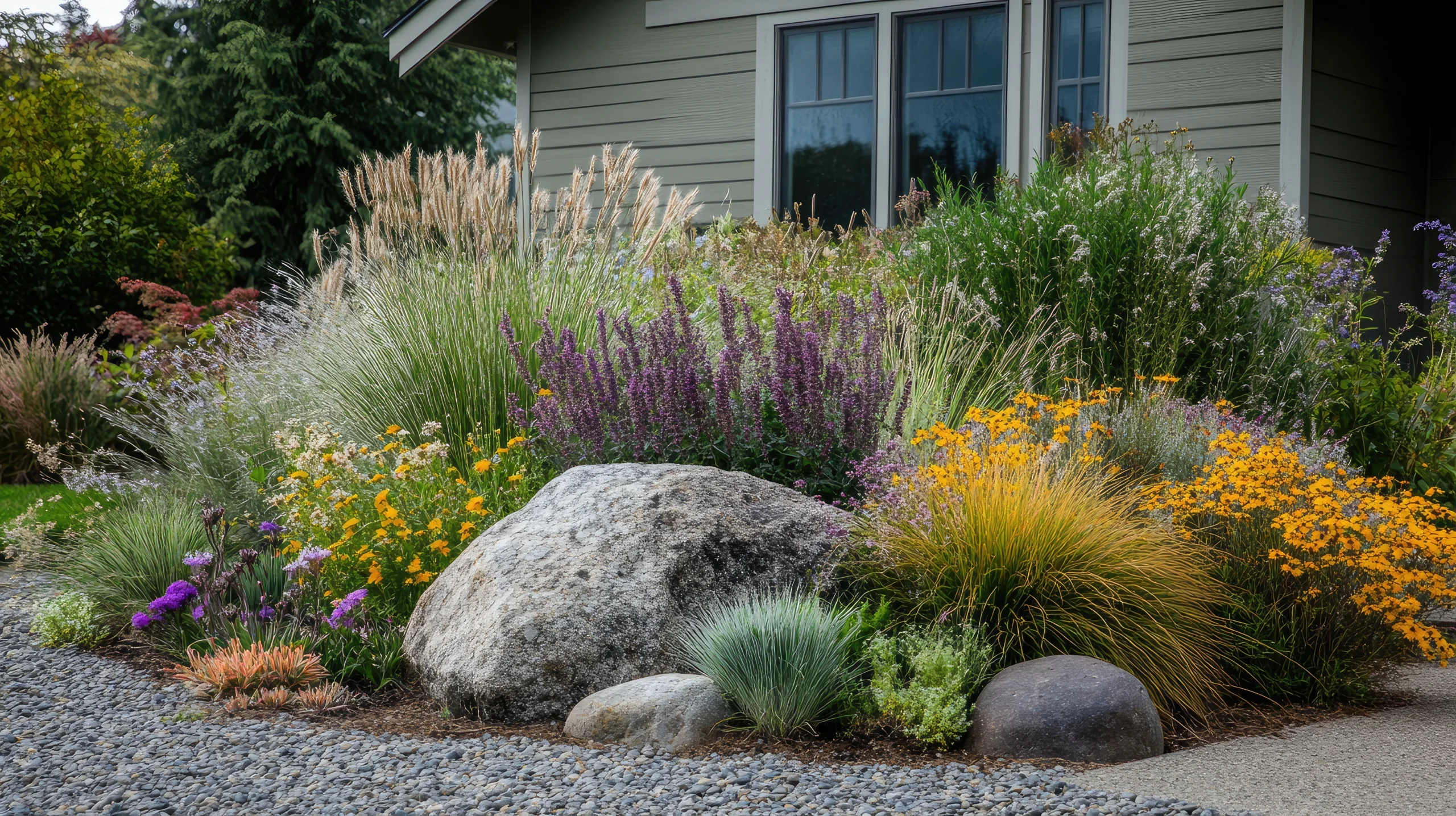
Penstemon is one of Colorado’s most reliable flowering perennials. Available in shades of purple, pink, red, and blue, it blooms from late spring into summer while attracting hummingbirds and native bees.
Its upright form works beautifully in borders, meadow-style gardens, and xeriscapes.
Blanket Flower (Gaillardia)
Blanket flower produces cheerful red, orange, and yellow blooms throughout much of the summer.
This native wildflower thrives in full sun, tolerates poor soil, and continues flowering with minimal irrigation once established.
Its long bloom period makes it an excellent choice for homeowners seeking continuous color.
Russian Sage
Russian sage offers soft lavender-blue flowers and fragrant silver foliage that create movement and texture throughout the landscape.
Its airy appearance pairs well with ornamental grasses and native perennials, adding both height and contrast to garden beds.
Despite its delicate appearance, Russian sage is exceptionally tough and drought-tolerant.
Yarrow
Yarrow is another Colorado favorite thanks to its fern-like foliage and clusters of flowers available in white, yellow, pink, orange, and red.
It blooms throughout summer, attracts pollinators, and requires very little maintenance.
Yarrow also works well in naturalistic plantings and cutting gardens.
Prairie Coneflower
Also known as Ratibida columnifera or the Mexican Hat plant, prairie coneflower is a striking native perennial recognized for its distinctive drooping petals.
Its vibrant yellow and reddish-brown blooms provide color from early summer into fall while supporting butterflies and native pollinators.
Lavender
Lavender thrives in Denver’s sunny, dry climate when planted in well-draining soil.
Beyond its fragrant flowers and attractive foliage, lavender adds structure and year-round interest while attracting bees and resisting deer.
Its calming scent makes it an excellent addition near patios and walkways.
Blue Grama Grass
As Colorado’s state grass, blue grama is naturally adapted to Front Range conditions.
Its graceful seed heads add movement and texture while requiring minimal supplemental water.
Blue grama works well as an accent plant or as part of a larger meadow-inspired landscape.
Black-Eyed Susan
Bright yellow flowers make Black-Eyed Susan a standout in late summer landscapes.
These hardy perennials tolerate heat and drought while providing reliable blooms well into fall.
Their cheerful appearance complements native grasses and other drought-tolerant perennials.
Add Interest Beyond Flowers
A colorful landscape isn’t just about blooms. Texture, foliage, and structure all contribute to year-round beauty.
Consider incorporating:
- Ornamental grasses for movement
- Evergreen shrubs for winter color
- Silver or blue foliage plants for contrast
- Decorative boulders and natural stone
- Mulch to create clean planting beds
These elements help create a landscape that remains visually interesting throughout every season.
Design Tips for a Colorful Low-Water Landscape
Layer Plants by Height
Arrange taller plants toward the back of planting beds and shorter varieties near walkways or patios.
This creates depth while ensuring every plant receives adequate sunlight.
Mix Bloom Times
Choose plants that flower during different seasons.
Spring bloomers, summer perennials, and late-season flowers ensure continuous color throughout the growing season.
Group Plants by Water Needs
One of the key principles of xeriscaping is hydrozoning—placing plants with similar water requirements together.
This allows irrigation to be more efficient while improving plant health.
Repeat Colors Throughout the Landscape
Repeating similar flower colors across different planting beds creates a more cohesive, professionally designed appearance.
This simple technique ties the entire landscape together.
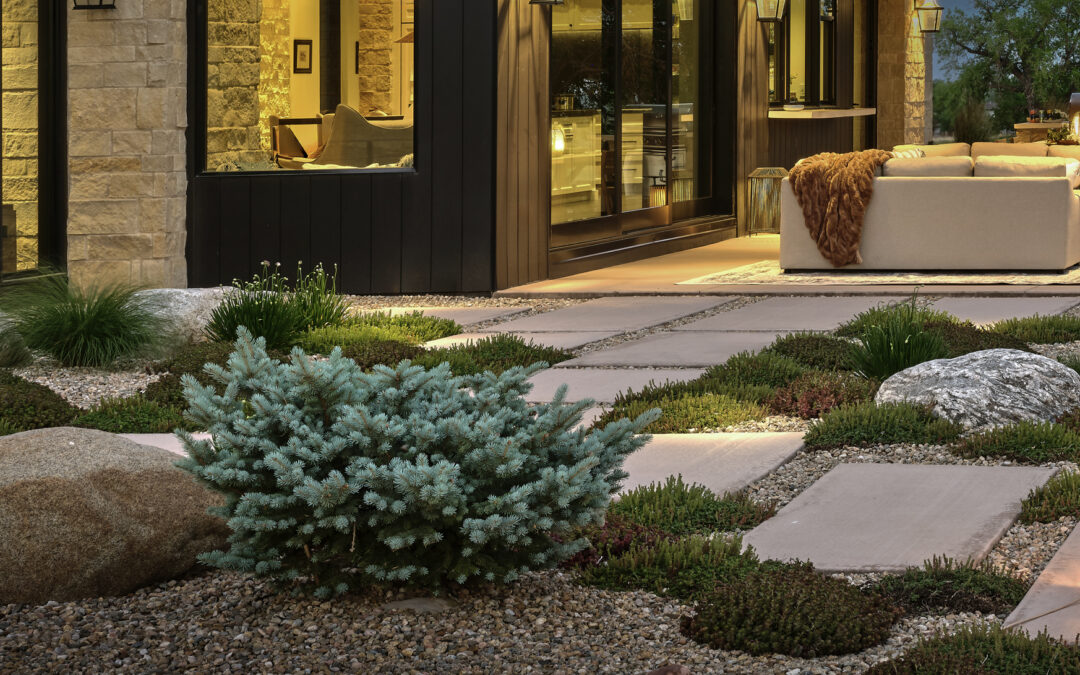
Pair Plants with Hardscaping
Hardscaping provides the perfect backdrop for colorful low-water plantings.
Stone patios, decorative pathways, retaining walls, and boulder groupings add structure while reducing the amount of irrigated landscape.
Combining hardscaping with drought-tolerant gardens creates outdoor spaces that are elegant, functional, and easy to maintain.
Why Native Plants Make Sense
Native Colorado plants have evolved to thrive in local conditions.
Benefits include:
- Better drought tolerance
- Lower maintenance
- Improved resistance to local pests
- Support for birds, butterflies, and pollinators
- Reduced fertilizer requirements
Using native species alongside carefully selected adaptive plants results in landscapes that are both environmentally responsible and visually stunning.
Beyond Xeriscaping: Creating Luxury with Less Water
Many homeowners mistakenly believe low-water landscaping means sparse gravel and cactus-filled yards. Today’s xeriscapes are anything but barren.
Modern water-wise landscapes incorporate lush perennial gardens, layered plantings, ornamental grasses, flowering shrubs, outdoor living spaces, and natural stone to create luxurious outdoor environments that require significantly less water than traditional landscapes.
With thoughtful planning, it’s possible to achieve both elegance and sustainability.
Work with a Professional Landscape Designer
Choosing the right plants is only one part of creating a successful Colorado landscape. Site conditions, irrigation, soil health, and long-term maintenance all influence how well your landscape performs.
A professional landscape designer can help you:
- Select plants suited to your property’s conditions
- Create year-round seasonal interest
- Improve water efficiency
- Design cohesive planting plans
- Incorporate sustainable landscaping practices
The result is an outdoor space that’s not only beautiful today but continues to thrive for years to come.
Bring Lasting Color to Your Denver Landscape
A beautiful landscape doesn’t have to come with high water bills or constant maintenance. By choosing low-water, climate-appropriate plants, you can enjoy vibrant blooms, healthy gardens, and sustainable outdoor living that complements Colorado’s natural beauty.
At Lifescape Colorado, we specialize in designing and maintaining custom landscapes that balance beauty, functionality, and sustainability. From xeriscaping and landscape design to hardscaping and year-round property care, our team creates outdoor spaces tailored to Colorado’s unique environment.
Ready to add lasting color to your landscape while conserving water? Contact Lifescape Colorado today to schedule a consultation and discover how a professionally designed low-water landscape can transform your outdoor living experience.