If you’ve spent any amount of time gazing at our beautiful Colorado landscape, no doubt you’ve noticed a couple of fiery spots of color dotting the hillsides and valleys from March through September. If so, there’s a good chance you’ve spotted stands of Indian paintbrush (Castilleja ssp).
Upon closer examination, the Indian paintbrush is a small to medium-sized plant with stalks of linear leaves topped by bright red bracts. Fortunately for you, these Colorado plants are easy to add to your own landscape and will thrive happily year after year.

Source: Weather Pics
Looking For a Colorful, Drought-Tolerant Perennial? Meet the Indian Paintbrush
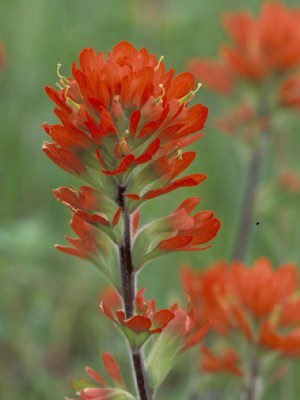
There are over 100 species of Indian paintbrushes, but one of the most common and best adapted to our climate is the colorful Indian paintbrush (Castilleja Angustifolia). This perennial plant prefers dry, loamy soil and plays host to a wide range of pollinators, making it a great plant for backyard designs. Colorful Indian paintbrush grows between 4- to 22-inches high on average.
Here are some other interesting characteristics to note:
Source: Grow Native
It’s considered hemiparasitic. Indian paintbrush intertwines its roots with other plants to leach nutrients and water. However, this relationship doesn’t do any damage to the unsuspecting neighbors. Consider planting stands of blue gamma grass or sagebrush nearby to help the Indian paintbrush thrive.
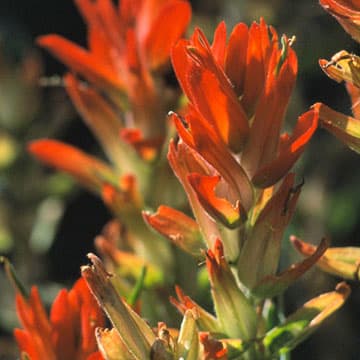
They don’t have red flowers. That gorgeous red color we so often admire is actually bracts, or specially modified leaves, as opposed to flowers. The plant’s true flowers are actually smaller, slender green growths hidden amongst the bracts.
Source: Better Homes and Gardens
You’ll attract pollinators galore. Because the Indian paintbrush doesn’t have any branches or strong stalks for birds to perch on, they are a favorite food source for hovering pollinators like butterflies, bees, and hummingbirds. In fact, they are a preferred nectar source for broad-tailed hummingbirds and a favorite host for Fulvia Checkerspot butterflies, both of which are common in Colorado.
Are you interested in introducing the Indian paintbrush into your garden? Lifescape’s Colorado landscape architects team can do it for you. Give us a call at 303.831.8310, or contact us online.