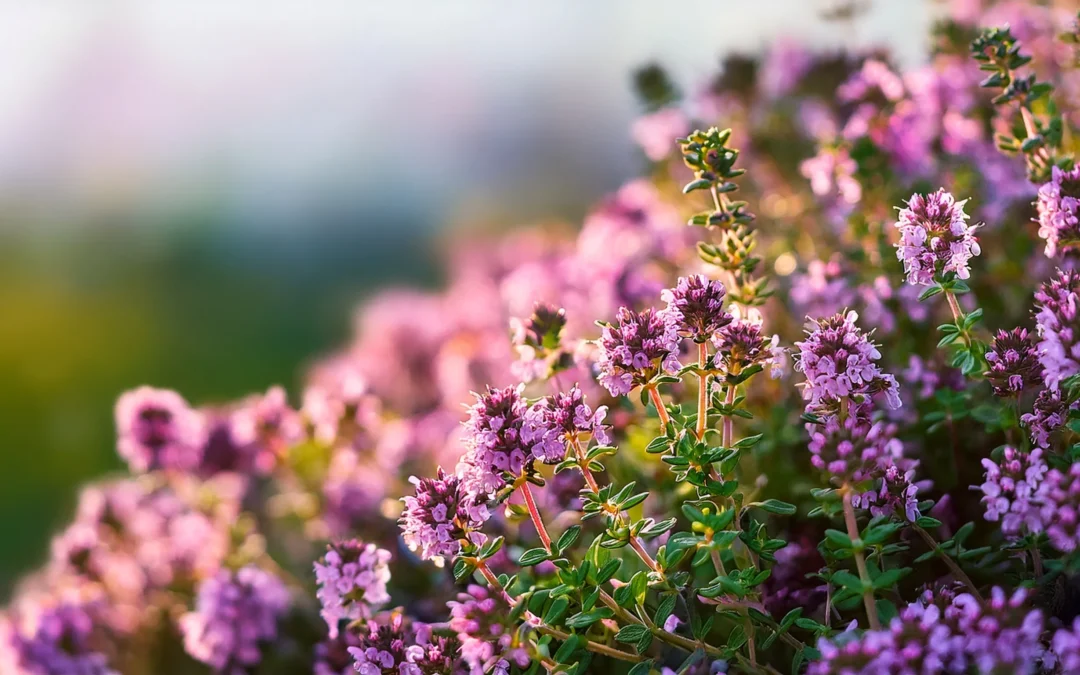
A sustainable landscape design taps into the relationship we share with our living, breathing world. This means making conscientious choices about the types of trees, plants and flowers we decide to incorporate into our landscapes.
If sustainable Colorado gardening is important to you, try keeping wildlife, such as bees and hummingbirds, in mind when selecting your plants. You’ll be repaid with beautiful blooms and ample visual entertainment to while away lazy summer afternoons.
Here are a couple tips for growing your own bountiful bee and hummingbird garden.
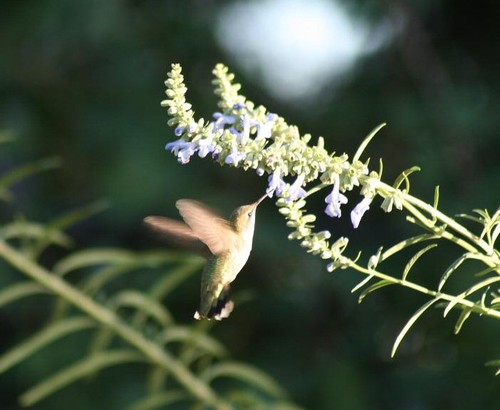
Source: Benjamin Vogt / Monarch Gardens via Houzz
Think “native” and they will come. One of the most delightful gifts of planting a native, drought tolerant garden is being able to attract the local population of bees, birds and butterflies to your landscape. These are the plants they have adapted to our climate over thousands of years. By using native plants, you’ll provide the pollen, seeds, fruits and nectar our local wildlife depends on year-round.
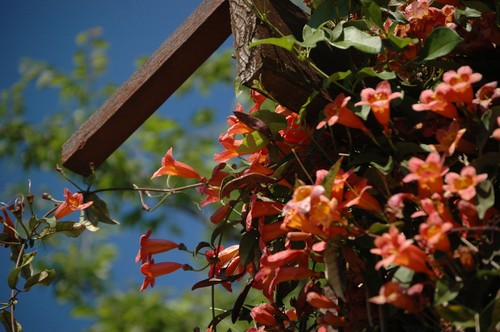
Source: J. Peterson Garden Design via Houzz
Plant tubular blooms. Hummingbirds are nectar feeders. Pollination occurs when their feet or feathers brush against a flower and its pollen is transported to the next nectar station. Their prominent beaks and amazingly dexterous tongues are attracted to colorful tubular blooms, such as the climbing Crossvine (Bignonia capreolata), virtually any species of Penstemon, especially Scarlet Bugler (Penstemon centranthifolius), honeysuckles and salvias.
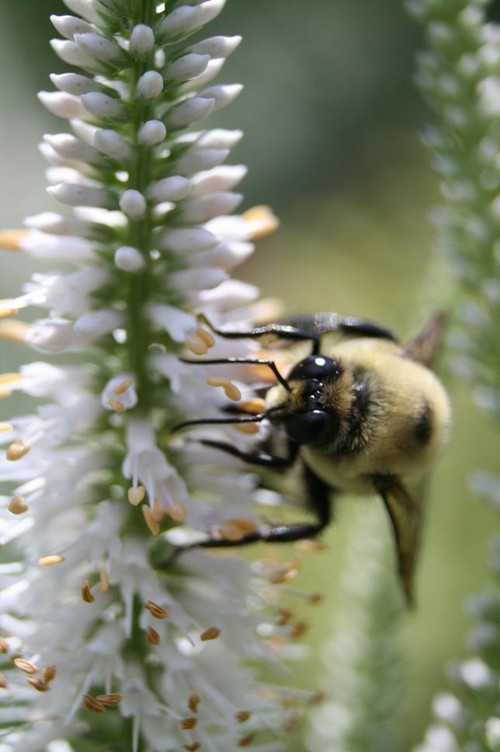
Source: Benjamin Vogt / Monarch Gardens via Houzz
Pollen for the pollinators. Bees use pollen to make honey, so pollen-rich plants are a must for any bee and hummingbird garden. Your best bet is to use heirloom plant species because hybrid and genetically modified plants don’t have the same quantity/quality of pollen as their ancestors.
Source: The Brickman Group, Ltd. via Houzz
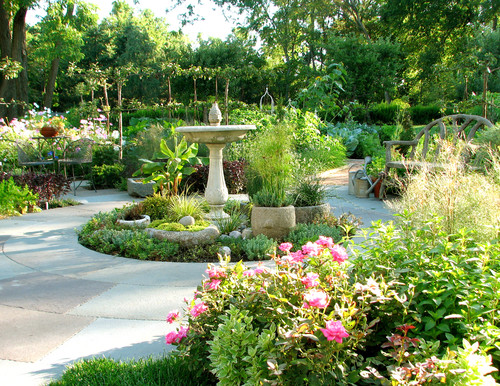
Baths and watering holes. Using a shallow bird bath with a large stone in the middle is another treat you can set up to keep bees and hummingbirds in your good graces. Birds like to use baths to wash themselves — usually in the early mornings — and both birds and bees will use it to hydrate themselves throughout the day. Placing a rock in the middle will help prevent thirsty bees from drowning.
Finally, go organic! Pesticides and herbicides can mean the death of these gorgeous winged creatures. Would you like professional assistance with your Colorado garden design? If so, contact Lifescape Colorado today!