 You may not know it, but mulch during the cold winter months acts as an insulator for your plants. With the wide range of temperature swings that plants are subjected to, it’s important to have mulch to protect your plants in the cold weather. It’s a fact that sometimes it is not the cold temperatures that damage your plants, but the freezing and thawing of the soil that affects the plant. The freezing and thawing cycle can cause the plant to “heave”, or the plant could die from lack of moisture because it can not attain water through the frozen soil. The best thing to do when you are unsure about what plants to use in your garden is consult your landscaping architect.
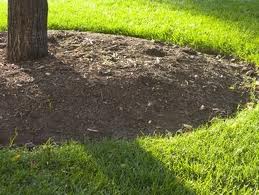
It’s best to apply a thick layer of mulch over the soil so that the plants roots will be insulated. Mulch can also prevent the soil around your plants from cooling too quickly also, however, you probably want to rake it away from the plants come spring when it starts to get warm.
If you need help figuring out the best plan for your Colorado landscaping, contact Lifescape Associates.