When planning an outdoor transformation, one of the most common questions homeowners ask is: What’s the difference between hardscaping and landscaping, and which does my yard need?
The answer isn’t one or the other. The most successful outdoor spaces combine both elements in a thoughtful, balanced way. Understanding how hardscaping and landscaping work together is key to creating a functional, beautiful, and long-lasting outdoor environment, especially in Colorado’s unique climate.
What Is Landscaping?
Landscaping refers to the living elements of your outdoor space. This includes everything that grows and evolves over time, such as:
- Trees and shrubs
- Perennials and annual flowers
- Lawns and ornamental grasses
- Garden beds and groundcovers
Landscaping adds color, texture, movement, and seasonal interest to your yard. It plays a major role in softening the overall look of your property and connecting your home to the natural environment.
In Colorado, landscaping must be carefully selected to handle low humidity, intense sun, and fluctuating temperatures. Native and drought-tolerant plants are often used to create sustainable, low-maintenance designs.
What Is Hardscaping?
Hardscaping includes the non-living, structural elements of your landscape. These features provide form, function, and durability, and often define how your outdoor space is used.
Common hardscaping elements include:
- Patios and walkways
- Retaining walls
- Fire pits and fireplaces
- Outdoor kitchens
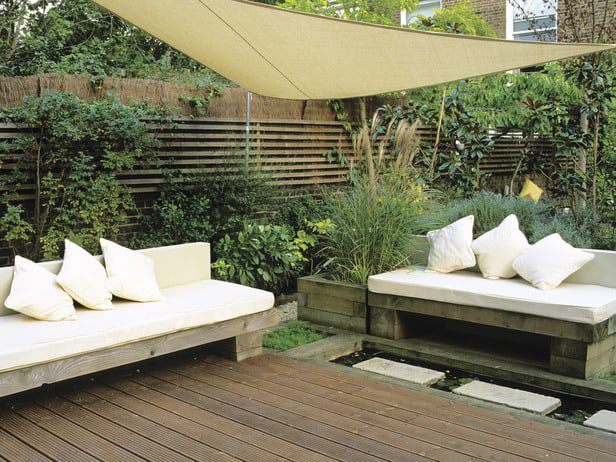
- Stone seating areas
- Driveways and entryways
Hardscaping forms the foundation of your outdoor design. It creates usable space, improves accessibility, and allows you to enjoy your yard year-round.
In Colorado, hardscaping materials must withstand freeze-thaw cycles, snow, and temperature swings, making proper design and installation essential.
Key Differences Between Hardscaping and Landscaping
While both are essential, hardscaping and landscaping serve different purposes.
Function vs Aesthetics
Hardscaping provides structure and usability (think patios, pathways, and seating areas). Landscaping enhances beauty through plants, flowers, and greenery.
Permanent vs Evolving
Hardscape features are long-lasting and stable, while landscaping changes with the seasons and matures over time.
Maintenance Needs
Landscaping requires ongoing care, such as watering, pruning, and fertilizing. Hardscaping typically requires less frequent maintenance but may need occasional cleaning or repairs.
Water Usage
Landscaping often requires irrigation, while hardscaping can help reduce water usage, especially in xeriscaped Colorado yards.
Why You Need Both in Colorado
In Colorado, a successful outdoor space depends on the right balance between hardscaping and landscaping. Too much of one without the other can lead to an unbalanced or underperforming design.
Too Much Landscaping
An outdoor space with only plants can feel overgrown, require excessive maintenance, and lack functional areas for gathering or relaxation.
Too Much Hardscaping
On the other hand, a yard dominated by stone or concrete can feel harsh, lack visual warmth, and miss the natural beauty that plants provide.
The goal is to create a cohesive design where hardscaping provides structure and landscaping brings it to life.
How Hardscaping Enhances Your Outdoor Space
Hardscaping is often the first step in transforming a yard into a usable outdoor living space.
Creates Functional Living Areas
Patios and decks provide space for dining, entertaining, and relaxing.
Improves Accessibility
Walkways and steps make it easier to navigate your property safely.
Adds Value and Durability
High-quality hardscape features can significantly increase property value and withstand Colorado’s climate conditions.
Supports Landscape Design
Retaining walls and grading solutions help manage slopes and drainage, creating a stable foundation for plantings.
How Landscaping Complements Hardscaping
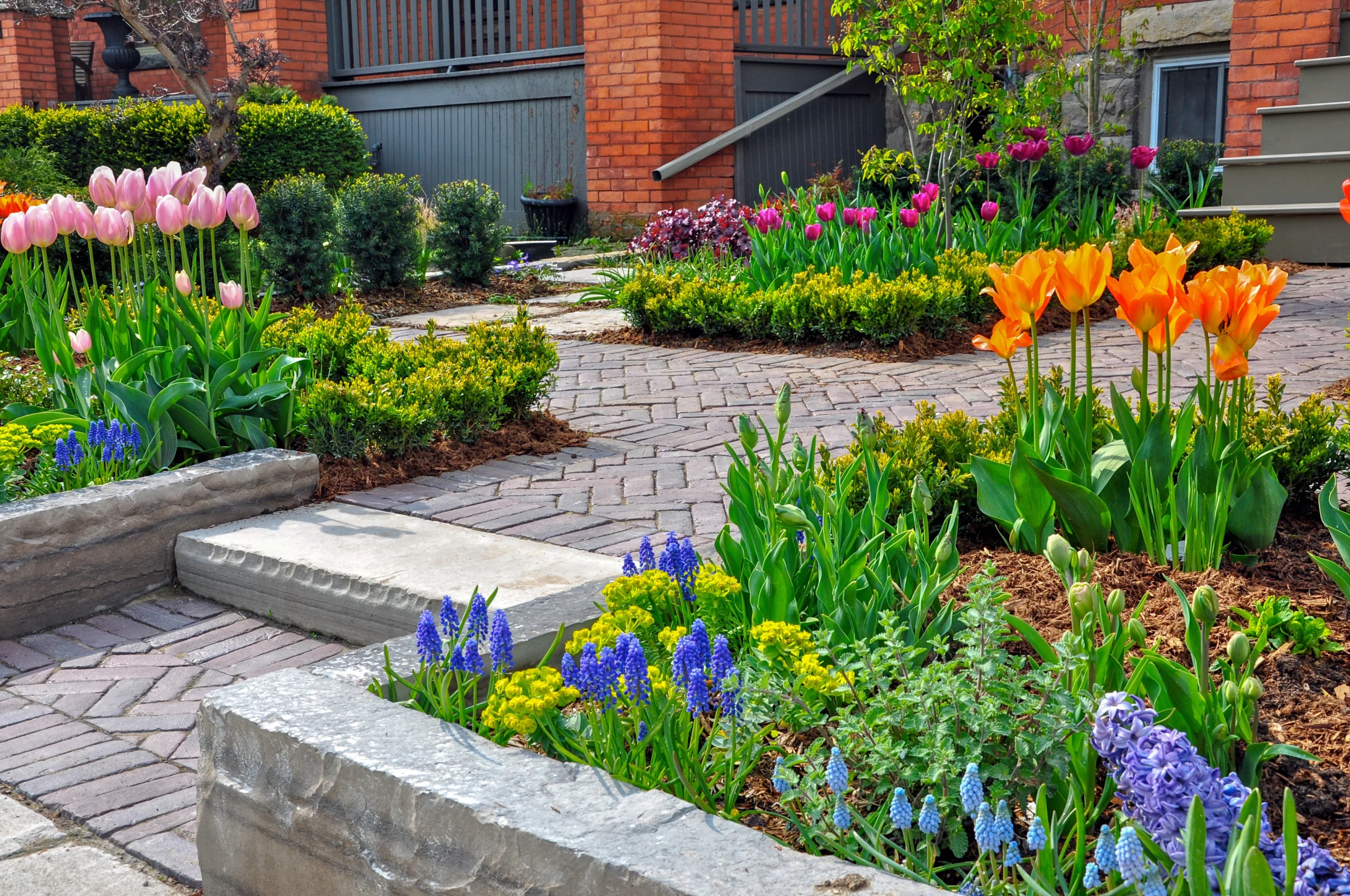
Landscaping softens the look of hard surfaces and adds life to your outdoor space.
Adds Color and Texture
Plants introduce seasonal blooms, greenery, and visual interest.
Improves Environmental Health
Trees and plants support pollinators, improve air quality, and help regulate temperature.
Enhances Privacy
Strategic planting can create natural privacy screens and reduce noise.
Connects with Nature
Landscaping brings a sense of calm and connection that hardscaping alone cannot provide.
Designing the Perfect Balance
Creating the right mix of hardscaping and landscaping requires thoughtful planning. Here are a few key strategies:
Start with Function
Think about how you want to use your space. Do you need areas for entertaining, relaxing, or play? Hardscaping will define these zones.
Layer with Plantings
Once the structure is in place, use landscaping to soften edges, add depth, and create a natural flow.
Consider Colorado’s Climate
Choose materials and plants that perform well in local conditions. This ensures long-term durability and reduces maintenance.
Use Transitions
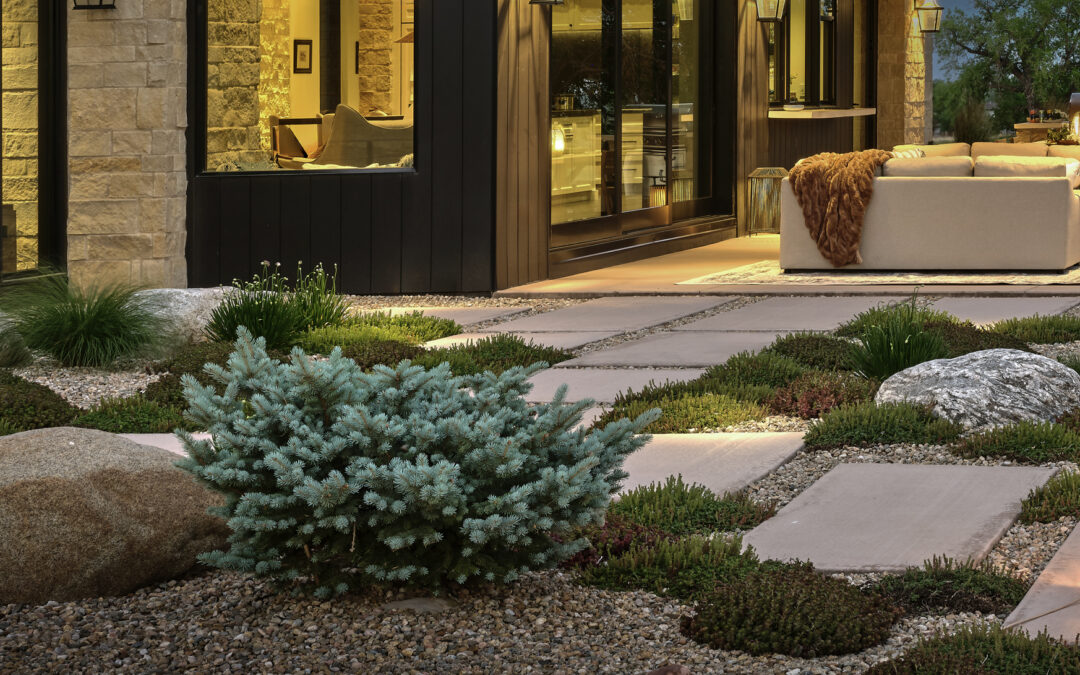
Blend hard and soft elements seamlessly. For example, a stone patio can transition into a garden bed with ornamental grasses and perennials.
Hardscaping and Landscaping for Sustainability
In Colorado, sustainability is a key consideration for outdoor design.
Combining hardscaping with water-wise landscaping can:
- Reduce water usage
- Improve drainage and prevent erosion
- Lower long-term maintenance costs
- Support native ecosystems
Features like permeable pavers, drought-tolerant plants, and efficient irrigation systems create landscapes that are both beautiful and environmentally responsible.
When to Work with a Professional
While some homeowners take a DIY approach, professional design is especially valuable when combining hardscaping and landscaping.
A professional landscape team can:
- Create a cohesive, well-balanced design
- Ensure proper grading and drainage
- Select materials suited for Colorado’s climate
- Integrate sustainable practices
- Manage the project from design to installation
This level of expertise helps avoid costly mistakes and ensures your outdoor space performs well over time.
Build a Landscape That Works for You
Hardscaping and landscaping aren’t competing elements. They’re complementary parts of a well-designed outdoor space. When combined thoughtfully, they create a landscape that is functional, beautiful, and built to last.
At Lifescape Colorado, we specialize in custom landscape design, hardscaping, and sustainable outdoor solutions across Denver and the Front Range. Our design/build/care approach ensures your outdoor space is tailored to your lifestyle while thriving in Colorado’s climate.
Ready to Transform Your Outdoor Space?
Whether you’re starting fresh or upgrading your current yard, finding the right balance between hardscaping and landscaping is the key to success.
Contact Lifescape Colorado today to design an outdoor space that brings together structure, beauty, and long-term performance.