Colorado landscapes are being redefined.
Colorado’s semi-arid climate presents both a challenge and an opportunity for homeowners looking to create beautiful outdoor spaces. With limited rainfall, intense sun, and fluctuating temperatures, traditional landscapes can require significant water and maintenance. That’s where xeriscaping in Colorado comes in.
Xeriscaping is more than just a landscaping trend. It’s a smart, sustainable approach to designing outdoor spaces that thrive with minimal water. When done right, a xeriscape can be just as lush, colorful, and inviting as any traditional garden, while being far more efficient and environmentally friendly.
What is Xeriscaping?
Xeriscaping is a landscaping method focused on reducing water usage through thoughtful design, plant selection, and efficient irrigation. The term was coined by Denver Water and is based on seven core principles that guide water-wise landscaping.
Rather than relying on large turf areas and high-maintenance plants, xeriscaping uses drought-tolerant plants, native species, and smart design strategies to create a balanced and resilient landscape.
Why Xeriscaping Works So Well in Colorado
Colorado is one of the best regions in the country for xeriscaping. With low humidity, limited precipitation, and frequent drought conditions, water-wise landscaping isn’t just beneficial. It’s essential.
Benefits of xeriscaping in Colorado include:
- Reduced water consumption and lower utility bills
- Lower maintenance requirements compared to traditional lawns
- Improved soil health and reduced erosion
- Increased resilience to drought and extreme weather
- Enhanced habitat for pollinators and local wildlife
A well-designed xeriscape not only conserves resources but also increases property value and curb appeal.
The Principles Behind Successful Xeriscaping
Creating a successful xeriscape starts with understanding its foundational principles.
1. Thoughtful Planning and Design
Every xeriscape begins with a plan. Evaluate your property’s sun exposure, slope, soil conditions, and drainage patterns. Divide your landscape into zones based on water needs, placing plants with similar requirements together.
Strategic planning ensures your landscape is both functional and visually cohesive.
2. Reduce or Replace Turf Areas
Traditional lawns are one of the biggest water consumers in residential landscapes. Xeriscaping reduces turf areas and replaces them with groundcovers, gravel, native grasses, or planting beds.
This doesn’t mean eliminating grass entirely, but using it intentionally in areas where it serves a purpose.
3. Choose Drought-Tolerant and Native Plants
Plant selection is one of the most important aspects of xeriscaping. Native Colorado plants are naturally adapted to local conditions and require less water and maintenance.
Popular xeriscape plants include:
- Blue grama grass
- Russian sage
- Penstemon
- Blanketflower
- Yarrow
- Prairie coneflower
These plants provide color, texture, and seasonal interest while thriving in Colorado’s climate.
4. Improve Soil Health
Healthy soil retains moisture more effectively, reducing the need for frequent watering. Adding organic matter, such as compost, improves soil structure, drainage, and nutrient availability.
In Colorado’s often clay-heavy or sandy soils, proper amendment can significantly improve plant success.
5. Use Efficient Irrigation Systems
Xeriscaping doesn’t eliminate watering. It makes it more efficient. Drip irrigation systems deliver water directly to plant roots, reducing evaporation and waste.
Smart irrigation controllers can adjust watering schedules based on weather conditions, ensuring plants receive exactly what they need.
6. Apply Mulch for Moisture Retention
Mulch is a critical component of xeriscaping. Organic mulch, such as bark or wood chips, helps retain moisture, regulate soil temperature, and suppress weeds.
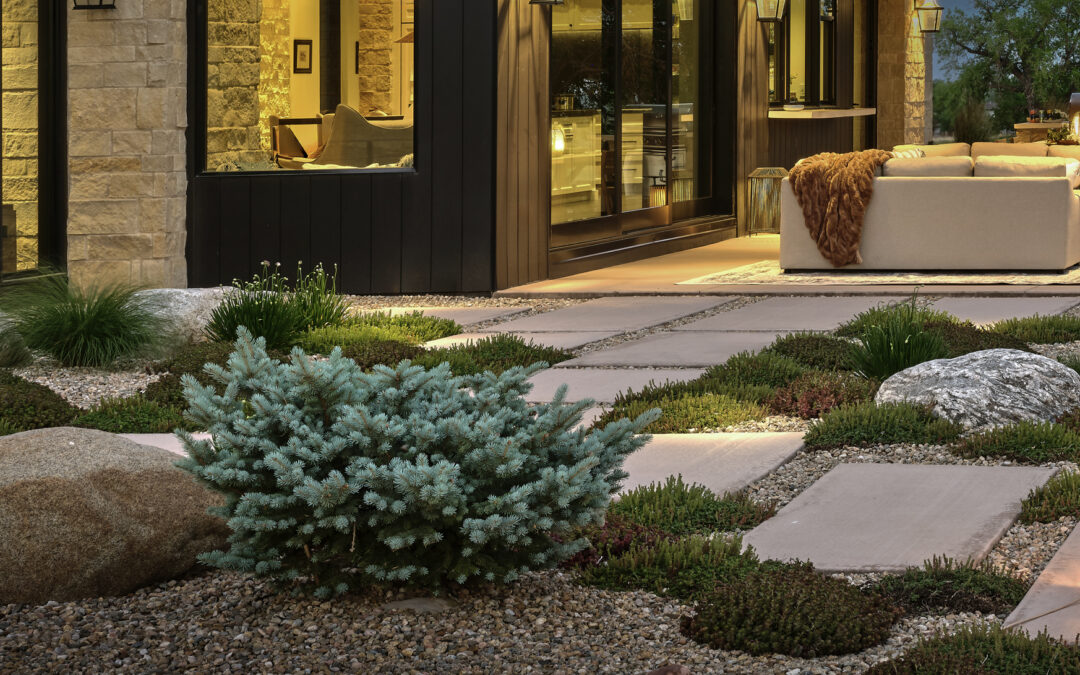
Inorganic options like gravel or stone can also be used for a clean, modern aesthetic while reducing water evaporation.
7. Maintain Your Landscape Properly
Although xeriscapes are low-maintenance, they still require care. Occasional pruning, weeding, and seasonal adjustments help keep your landscape healthy and visually appealing.
Proper maintenance ensures your xeriscape continues to thrive year after year.
Designing a Xeriscape That Feels Beautiful and Livable
One of the biggest misconceptions about xeriscaping is that it results in a dry, sparse yard. In reality, a well-designed xeriscape can be vibrant, dynamic, and full of life.
Layered Planting
Use a mix of heights, colors, and textures to create depth. Combine grasses, perennials, shrubs, and trees to build visual interest throughout the year.
Hardscaping Elements
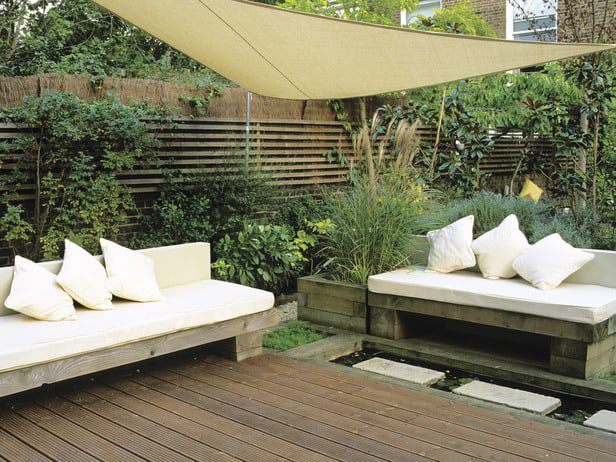
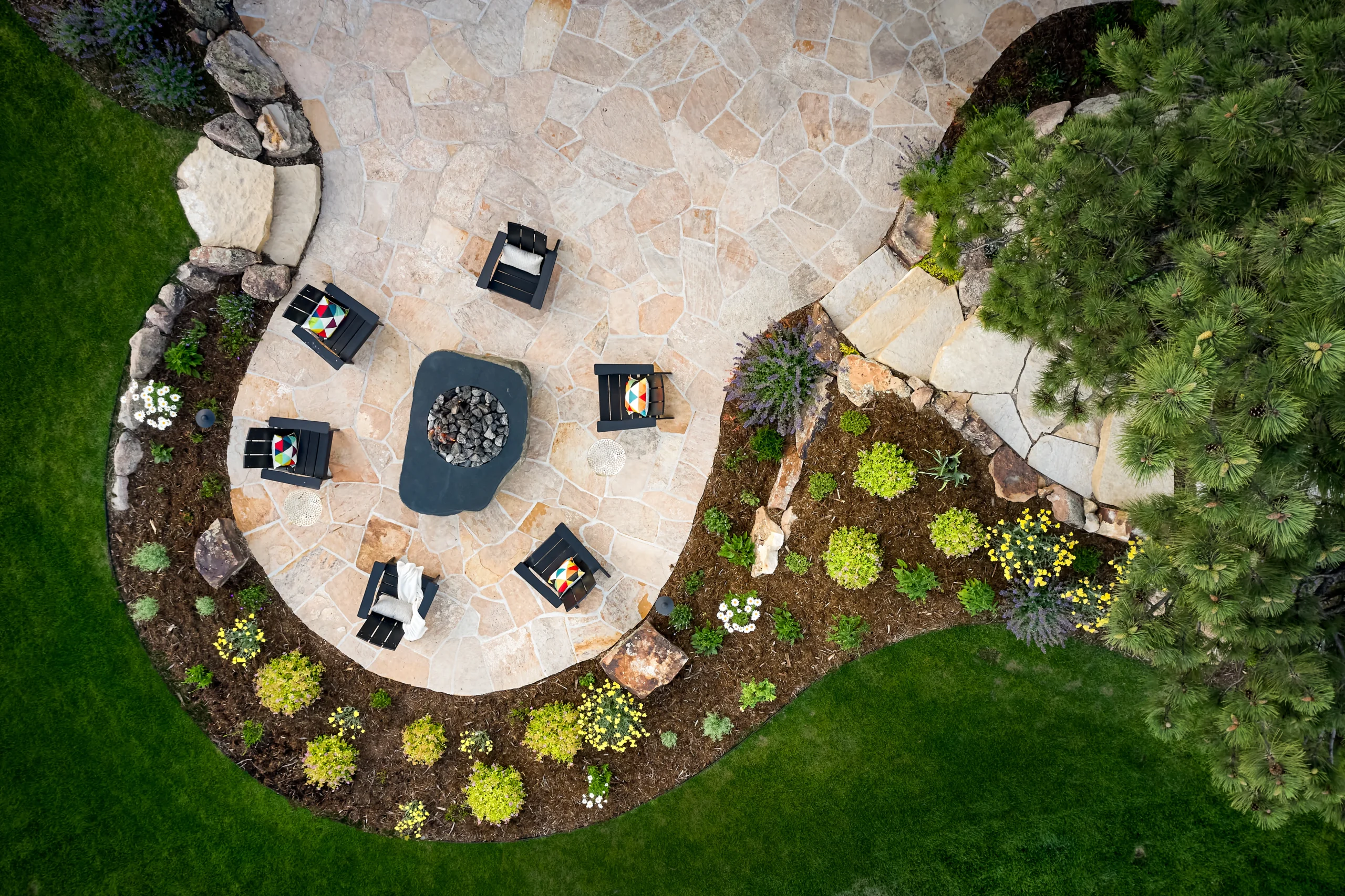
Incorporate patios, pathways, retaining walls, and seating areas to define spaces and add structure. Natural stone and permeable materials work especially well in Colorado landscapes.
Seasonal Interest
Choose plants that bloom at different times of the year to ensure continuous color. Even in winter, ornamental grasses and evergreens can provide texture and structure.
Focal Points
Add elements like water features, sculptures, or fire pits to create visual anchors within your design.
Common Xeriscaping Mistakes
While xeriscaping is a smart approach, it’s important to avoid common pitfalls:
- Overusing gravel without plant variety
- Grouping plants with different water needs together
- Ignoring soil preparation
- Installing inefficient irrigation systems
- Neglecting long-term maintenance
Working with a professional landscape designer can help you avoid these issues and ensure a cohesive, successful design.
Why Professional Xeriscape Design Matters
Designing a xeriscape requires more than selecting drought-tolerant plants. It involves understanding how all elements of the landscape work together.
A professional landscape design team can help:
- Create a customized plan based on your property
- Select plants suited to your microclimate
- Design efficient irrigation systems
- Integrate hardscaping and outdoor living features
- Ensure long-term sustainability and performance
In Colorado’s unique climate, expert guidance can make the difference between a struggling yard and a thriving landscape.
Transform Your Landscape with Xeriscaping
Xeriscaping offers a powerful way to create a beautiful, low-water landscape in Colorado without sacrificing style or functionality. By combining thoughtful design, native plants, and efficient irrigation, you can build an outdoor space that is both sustainable and stunning.
At Lifescape Colorado, we specialize in custom xeriscaping and sustainable landscape design tailored to the Front Range. Whether you’re starting fresh or reimagining your existing yard, our team can help you create a landscape that works with Colorado’s climate, not against it.
Ready to make the switch to a water-wise landscape? Contact Lifescape Colorado today to begin designing your xeriscape.