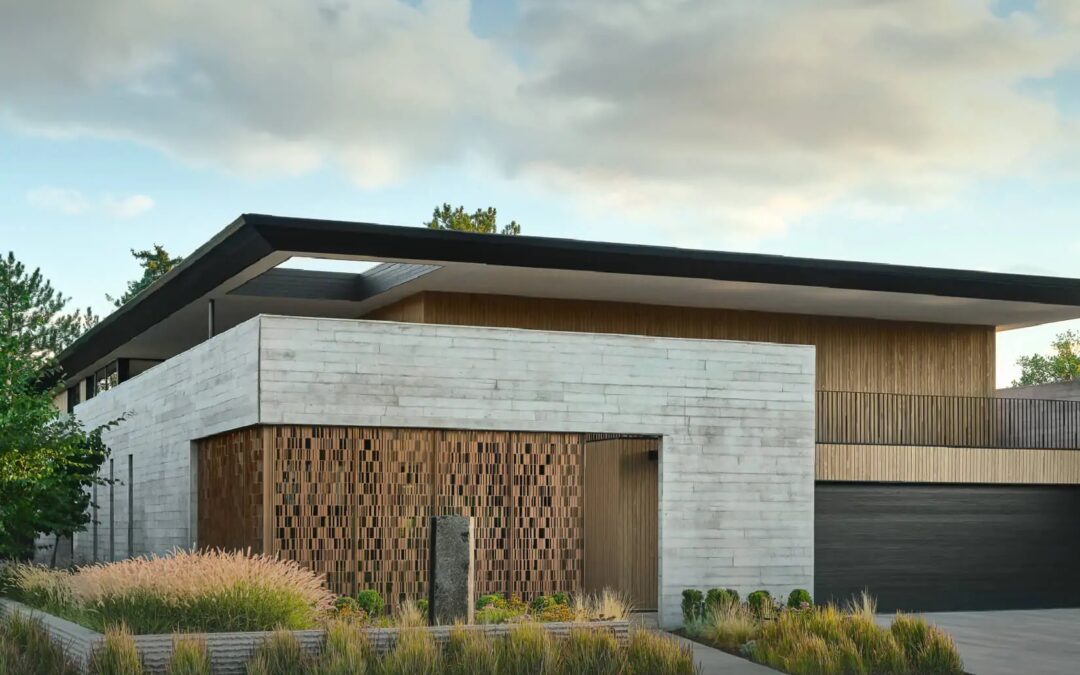
Investing in a professional landscape design is one of the most effective ways to transform your outdoor space into something functional, beautiful, and built to last. Whether you’re planning a complete yard renovation or enhancing specific areas, understanding the landscape design process helps set expectations and ensures a smooth, successful project.
If you’re considering working with a landscape design firm in Colorado, here’s a step-by-step look at what to expect from concept to completion.
Why Professional Landscape Design Matters
Before diving into the process, it’s important to understand the value of professional landscape design. In Colorado’s unique climate, outdoor spaces must be thoughtfully planned to handle:
- Dry conditions and water restrictions
- Intense sun exposure
- Freeze-thaw cycles
- Varying soil conditions
A professional landscape designer ensures your project is not only visually appealing but also sustainable, durable, and tailored to your lifestyle.
Step 1: Initial Consultation and Site Visit
Every successful landscape project begins with a conversation.
During the initial consultation, your designer will visit your property to understand your goals, preferences, and vision. This is your opportunity to share how you want to use your outdoor space, whether for entertaining, relaxing, gardening, or all of the above.
Key topics discussed include:
- Desired features like patios, fire pits, or outdoor kitchens
- Privacy and screening needs
- Maintenance preferences
- Budget considerations
- Timeline expectations
Your designer will also evaluate the site, taking note of sun exposure, slopes, drainage, and existing elements. This step lays the foundation for the entire project.
Step 2: Site Analysis and Concept Development
After the consultation, your design team performs a detailed site analysis. This involves assessing environmental factors such as soil conditions, water availability, and microclimates across your property.
Using this information, the designer creates a conceptual landscape plan that outlines the overall layout and vision. This plan typically includes:
- Placement of outdoor living spaces
- Circulation paths and walkways
- Hardscape elements like patios and retaining walls
- General planting concepts
At this stage, you’ll begin to see how your ideas translate into a cohesive design. Feedback is encouraged, and revisions are often made to refine the concept.
Step 3: Design Refinement and Investment Planning
Once the concept is approved, the design moves into a more detailed phase. This is where your landscape plan becomes more precise and actionable.
The designer will refine:
- Material selections (stone, pavers, wood, etc.)
- Plant varieties suited to Colorado’s climate
- Irrigation and lighting concepts
- Structural elements and elevations
Alongside the design, you’ll receive an investment estimate that aligns with your project scope. This ensures transparency and helps prioritize features based on your budget.
This step is critical in balancing creativity with practicality, ensuring your project is both achievable and aligned with your goals.
Step 4: Final Construction Plans
With all details finalized, the design team prepares construction-ready plans. These documents serve as the blueprint for your project and include:
- Detailed layouts and measurements
- Material specifications
- Planting plans
- Irrigation and lighting layouts
- Grading and drainage solutions
Having a complete set of plans ensures that everyone involved (designers, contractors, and project managers) is aligned before construction begins.
Step 5: Project Scheduling and Pre-Construction Planning
Before construction starts, your team will coordinate scheduling, materials, and logistics. This phase ensures a smooth transition from design to build.
You can expect:
- A project timeline and start date
- Coordination between design and construction teams
- A pre-construction meeting to review details
This step helps avoid delays and ensures your project begins with a clear plan in place.
Step 6: Landscape Construction and Installation
Once construction begins, your design comes to life.
During this phase, experienced project managers and skilled crews handle every aspect of installation, including:
- Site preparation and grading
- Hardscape construction (patios, walkways, walls)
- Irrigation system installation
- Planting and finishing details
Throughout the process, your design team provides oversight to ensure the project stays true to the original vision.
Communication is key during construction, and a professional firm will keep you informed at every stage.
Step 7: Final Walkthrough and Project Completion
As your project nears completion, a final walkthrough is conducted. This is your opportunity to review the finished landscape and ensure everything meets your expectations.
During this step:
- Final adjustments are made if needed
- Features and systems are explained (irrigation, lighting, etc.)
- Maintenance recommendations are provided
This ensures you feel confident in how to care for your new outdoor space.
Step 8: Ongoing Property Care and Maintenance
A well-designed landscape is an investment that benefits from ongoing care.
After installation, many homeowners choose to continue with professional property care and maintenance services to keep their landscape thriving. This may include:
- Seasonal plant care and pruning
- Irrigation adjustments
- Lawn and garden maintenance
- Soil health management
Ongoing care ensures your landscape continues to look its best and perform well over time.
Timeline: How Long Does the Process Take?
While timelines vary depending on project size and complexity, here’s a general overview:
- Design Phase: 4–8 weeks
- Planning & Scheduling: 2–4 weeks
- Construction: 4–12+ weeks
Starting early, especially during fall or winter, can help ensure your project is ready for spring installation.
Benefits of a Professional Landscape Design Process
Working with a professional landscape design team offers several key advantages:
- A cohesive, well-planned outdoor space
- Efficient use of materials and resources
- Reduced risk of costly mistakes
- Long-term durability and sustainability
- Increased property value and usability
Rather than approaching landscaping in pieces, a structured process ensures every element works together seamlessly.
Bringing Your Vision to Life
The landscape design process is about more than creating a beautiful yard. It’s about designing a space that enhances how you live. From the first consultation to long-term care, each step plays a role in delivering a successful outcome.
At Lifescape Colorado, we specialize in full-service landscape design, construction, and property care tailored to Colorado’s climate. Our collaborative approach ensures that your vision is realized with precision, creativity, and lasting quality.
Start Your Landscape Design Journey Today
If you’re ready to transform your outdoor space, understanding the design process is the first step.
Contact Lifescape Colorado today to schedule your consultation and discover how a professional landscape design process can bring your vision to life.