When most homeowners think about water-wise landscaping, they picture drought-tolerant flowers, ornamental grasses, or native shrubs. But one of the most overlooked elements of a sustainable landscape is what’s growing between those larger plants.
Low-water ground covers are an excellent way to fill bare areas, reduce exposed soil, suppress weeds, and add year-round texture without relying on high-maintenance turfgrass. Whether you’re looking to replace a patchy lawn, stabilize a slope, or complete a xeriscape design, the right ground cover can transform your landscape while helping conserve water.
For Colorado homeowners, choosing plants adapted to the state’s dry climate is essential. Here’s a look at some of the best low-water ground covers for Denver and the Front Range and how they can help create a healthier, more beautiful landscape.
Why Use Ground Covers Instead of Turf?
Traditional lawns certainly have their place, especially in areas used for recreation or pets. However, many landscapes include sections where grass struggles to thrive or requires more maintenance than it’s worth.
Ground covers offer an attractive alternative by creating living carpets that require less water, less mowing, and less upkeep than traditional turf.
They’re especially useful for:
- Sloped landscapes prone to erosion
- Difficult-to-mow areas
- Spaces beneath trees
- Narrow side yards
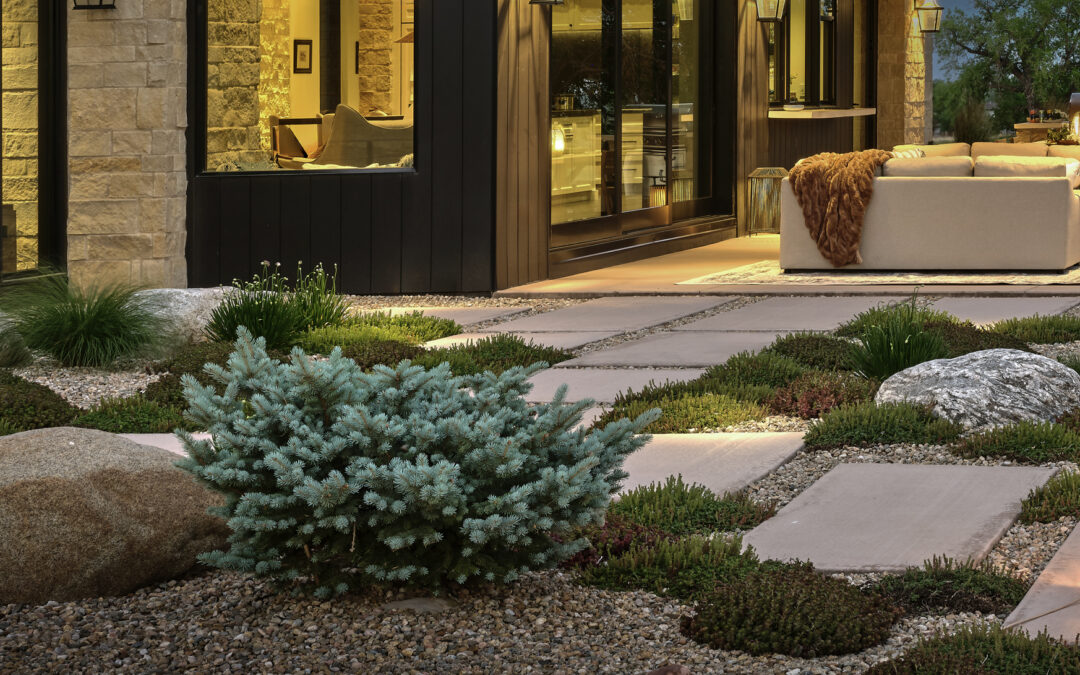
- Around stepping stones and pathways
- Between shrubs and perennial beds
- Xeriscape gardens
Rather than leaving soil exposed or relying solely on decorative rock, ground covers add color, texture, and life to these challenging areas.
Benefits of Low-Water Ground Covers
Ground covers do much more than fill empty space. When properly selected and installed, they provide several long-term benefits.
Conserve Water
Many drought-tolerant ground covers require only occasional supplemental watering once established, making them an excellent choice for Colorado’s semi-arid climate.
Suppress Weeds
As ground covers spread, they naturally shade the soil, making it more difficult for weeds to germinate and grow.
Reduce Soil Erosion
Their root systems help stabilize slopes and prevent soil from washing away during heavy rains.
Moderate Soil Temperature
Like mulch, dense plant coverage helps protect the soil from extreme temperature swings while reducing moisture loss.
Add Year-Round Interest
Many ground covers provide seasonal flowers, colorful foliage, evergreen texture, or attractive seed heads that enhance the landscape throughout the year.
Creeping Thyme
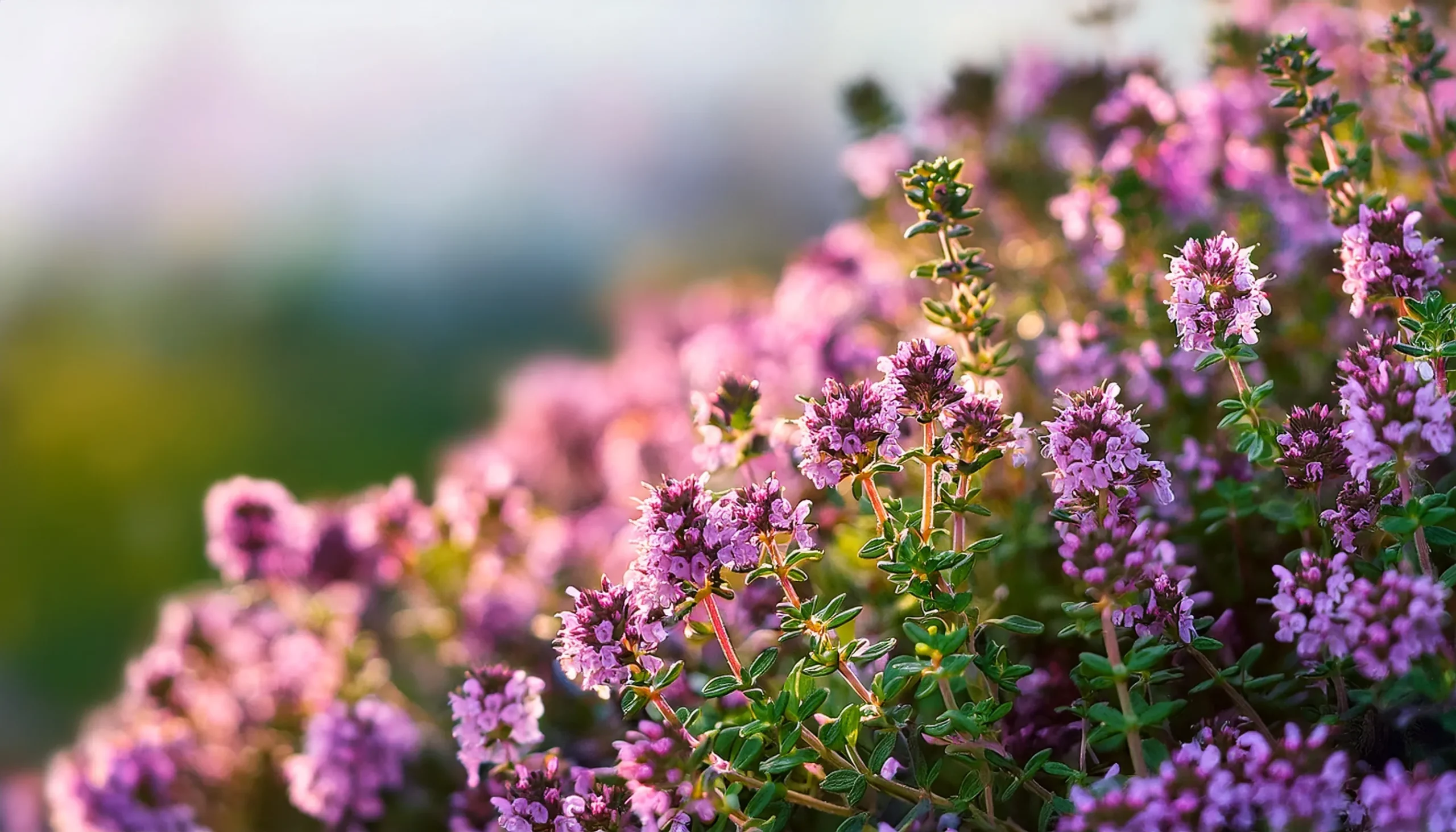
One of the most popular low-water ground covers in Colorado is creeping thyme.
This fragrant perennial forms a dense mat of tiny leaves and produces vibrant purple, pink, or white flowers during summer.
Benefits include:
- Drought tolerant
- Pollinator friendly
- Excellent between stepping stones
- Pleasant fragrance
- Minimal mowing required
Once established, creeping thyme thrives in full sun and well-drained soil.
Blue Fescue
Although technically an ornamental grass rather than a traditional ground cover, blue fescue works beautifully in mass plantings.
Its compact blue-gray foliage provides year-round texture while requiring very little water.
Blue fescue pairs especially well with natural stone, gravel pathways, and modern landscape designs.
Ice Plant
Ice plant is well known for its brilliant flowers and succulent foliage.
This low-growing perennial blooms in shades of pink, purple, yellow, or orange while thriving in hot, sunny conditions.
Ice plant performs especially well in:
- Rock gardens
- Retaining walls
- Slopes
- Dry planting beds
Excellent drainage is essential for long-term success.
Kinnikinnick (Bearberry)
For homeowners looking for an evergreen ground cover, bearberry is an outstanding choice.
This native shrub spreads slowly to create dense coverage with glossy green leaves, small spring flowers, and bright red berries.
It works particularly well beneath pines or on sunny slopes where erosion control is important.
Creeping Juniper
Creeping juniper is another evergreen option that thrives throughout much of Colorado.
Its spreading branches create attractive year-round coverage while helping stabilize hillsides and reduce erosion.
Available in several shades of green and blue, creeping juniper provides structure even during winter.
Sedum
Low-growing sedums are among the easiest drought-tolerant plants to grow. These hardy succulents feature fleshy foliage that stores water, allowing them to tolerate extended dry periods.
Many varieties produce colorful flowers that attract bees and butterflies throughout the growing season. Sedum works especially well in rock gardens, borders, and xeriscapes.
Snow-in-Summer
This perennial creates a soft carpet of silver foliage topped with masses of white flowers in late spring. Its drought tolerance and spreading habit make it an excellent choice for sunny slopes and borders.
The silvery foliage also provides an attractive contrast against darker green shrubs and ornamental grasses.
Native Ground Covers for Colorado
Whenever possible, incorporating native plants into your landscape provides long-term benefits.
Native ground covers are naturally adapted to Colorado’s:
- Dry climate
- Temperature fluctuations
- Soil conditions
- Native pollinators
In addition to requiring less water, native species often support birds, butterflies, and beneficial insects. A professional landscape designer can recommend native ground covers suited to your property’s specific conditions.
Choosing the Right Ground Cover
Not every ground cover thrives in every location. These plants require varying degrees of attention, mainly during establishment periods. The landscaping teams at Lifescape may help in advising on the right planting conditions, soil, and watering needs.
Before selecting plants, consider:
Sun Exposure
Some species prefer full sun, while others perform better in partial shade or beneath mature trees.
Soil Conditions
Well-draining soil is critical for many drought-tolerant plants. Heavy clay soils may benefit from amendments before planting.
Foot Traffic
Some ground covers tolerate occasional walking, while others are best left undisturbed.
Growth Rate
Fast-spreading varieties quickly fill large spaces, while slower-growing plants provide greater control in smaller garden beds.
Maintenance Expectations
Although low-water plants reduce maintenance, occasional pruning, weeding, and seasonal cleanup still help maintain a polished appearance.
Ground Covers and Xeriscaping
Ground covers are an important component of professionally designed xeriscapes.
Rather than relying entirely on decorative rock, many xeriscape landscapes blend living ground covers with:
- Native perennials
- Ornamental grasses
- Decorative boulders
- Mulch
- Stone pathways
- Water-efficient irrigation
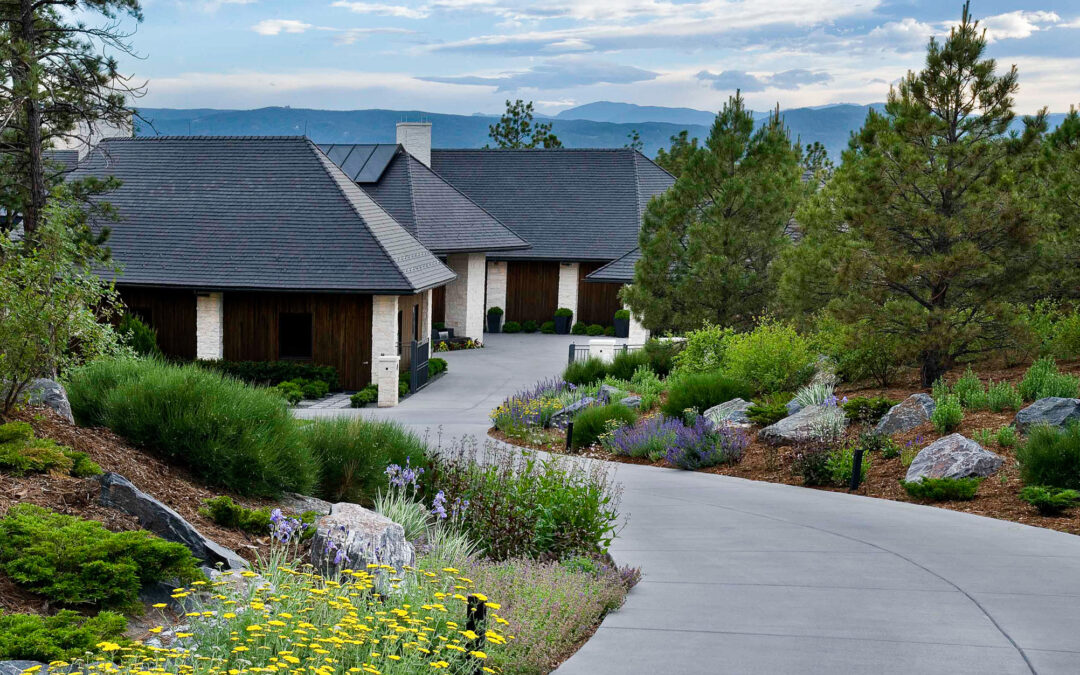
This layered approach creates outdoor spaces that feel lush and inviting while using significantly less water than traditional landscapes.
Designing for Long-Term Success
Ground covers perform best when integrated into a thoughtful landscape plan.
Proper spacing, irrigation, soil preparation, and plant selection all influence how quickly they establish and how well they perform over time.
Professional landscape designers also consider how ground covers interact with larger trees, shrubs, hardscaping, and outdoor living areas to create a cohesive design.
The result is a landscape that’s not only beautiful but also easier to maintain and more resilient during Colorado’s dry summers.
Create a More Sustainable Landscape with Lifescape Colorado
Replacing a high-maintenance lawn with low-water ground covers is one of the smartest ways to improve the health, beauty, and sustainability of your landscape. Whether you’re filling difficult planting areas, stabilizing a slope, or planning a complete xeriscape renovation, the right ground covers can reduce water use while adding lasting texture and color to your outdoor space.
At Lifescape Colorado, we specialize in creating custom landscapes designed specifically for Colorado’s climate. From sustainable landscape design and xeriscaping to hardscaping and year-round property care, our experienced team creates outdoor environments that are both beautiful and built to thrive.
If you’re ready to reduce maintenance, conserve water, and create a more resilient landscape, contact Lifescape Colorado today. We’ll help you select the right low-water plants and design a landscape that’s tailored to your property, your lifestyle, and Colorado’s unique environment.